
NOVEMBER 2026: A MONTH OF FAITH, PERSEVERANCE, AND ETERNAL HOPE
THE SPIRITUAL JOURNEY OF NOVEMBER
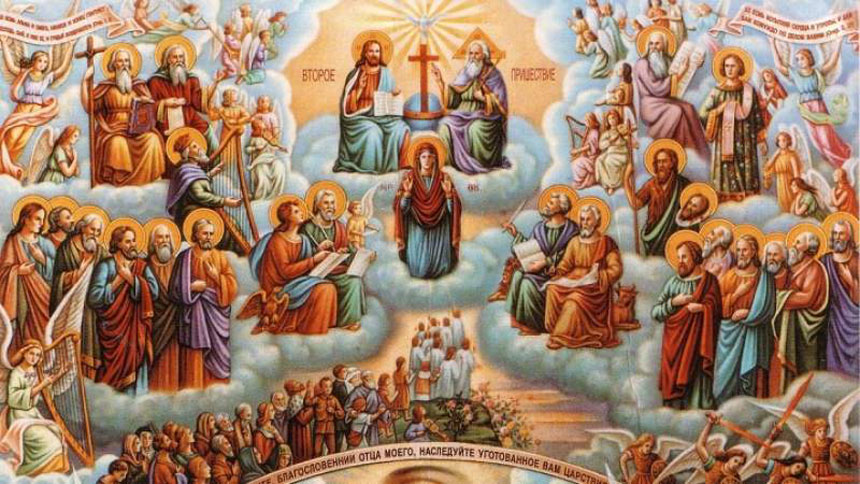
November began with the Solemnity of All Saints and the Commemoration of All the Faithful Departed, inviting us to contemplate holiness, resurrection, and eternal life. Throughout the month, Jesus revealed the importance of humility, gratitude, conversion, charity, and perseverance. His teachings reminded us that Christian life is a pilgrimage in which every earthly responsibility acquires its deepest meaning through our relationship with God.
As the liturgical year approached its conclusion, the Gospel readings increasingly directed our attention toward judgment, the passing nature of earthly realities, and the enduring promises of Christ. The Solemnity of Christ the King revealed the ultimate triumph of divine love and reminded us that the authenticity of our faith is expressed through concrete acts of charity. The witness of the martyrs further demonstrated that no earthly suffering can overcome the hope established through Christ’s Resurrection.
The month concludes with the beginning of Advent and the calling of Saint Andrew, inviting us to embrace a renewed journey of discipleship. We are reminded that Christ continually approaches humanity, offering grace, forgiveness, and the promise of eternal communion with the Father. Our response must be one of vigilant faith, persevering prayer, and generous love, allowing every new day to become an opportunity to grow in holiness.
The message of November is ultimately a message of Christian hope: our earthly lives are temporary, but the love of God is eternal. Through faith, charity, and perseverance, we prepare ourselves for the everlasting joy of His Kingdom.
SUNDAY, NOVEMBER 1, 2026
Liturgical Celebration: Solemnity of All Saints
Saints of the Day: All Saints, known and unknown, who share in the glory of heaven.
Gospel: Matthew 5:1–12a
Source: Read the Gospel — USCCB
THEME: THE UNIVERSAL CALL TO HOLINESS
Gospel Reflection
On this solemnity of All Saints, Jesus presents the Beatitudes as the path to authentic happiness and eternal life. Blessed are the poor in spirit, the merciful, the pure of heart, and those who hunger for righteousness. These teachings overturn worldly expectations by revealing that true greatness lies not in power, wealth, or recognition, but in a heart transformed by God’s grace.
The saints demonstrate that holiness is possible in every circumstance of human life. They were ordinary men and women who encountered difficulties, temptations, and suffering, yet responded with extraordinary faithfulness to Christ. Their lives remind us that sainthood is not reserved for a privileged few but represents the universal vocation of every baptized Christian.
The Beatitudes invite us to examine whether our daily choices reflect the values of God’s Kingdom. Holiness does not require escaping the world, but living within it with humility, compassion, courage, and love. As we celebrate the countless saints who now behold God, we are reminded that heaven is not merely a distant promise but the ultimate destination toward which our lives should be directed.
WISDOM OF THE SAINTS
St. Augustine: Augustine teaches that the Beatitudes describe the progressive transformation of the Christian soul. Humility opens the path to holiness, while purity of heart prepares us for the ultimate happiness of seeing God.
St. Thomas Aquinas: Aquinas explains that the Beatitudes reveal the actions and dispositions through which human beings approach their supernatural destiny. True happiness is found not in earthly achievements but in the eternal possession of God.
St. Thérèse of Lisieux: Thérèse demonstrates that sanctity is accessible through small acts performed with great love. Her Little Way teaches that holiness depends more upon humility, trust, and charity than upon extraordinary accomplishments.
SPIRITUAL TAKEAWAY
Holiness is not the privilege of a few exceptional souls; it is God’s invitation to every person willing to follow Christ with humility, faith, and love.
MONDAY, NOVEMBER 2, 2026
Liturgical Celebration: The Commemoration of All the Faithful Departed — All Souls’ Day
Commemoration of the Day: All the Faithful Departed, especially the souls undergoing purification in Purgatory.
Gospel: John 6:37–40
Source: Read the Gospel — USCCB
THEME: THE PROMISE OF ETERNAL LIFE
Gospel Reflection
On All Souls’ Day, Jesus offers one of the most consoling promises in Scripture: those who believe in Him are called to eternal life and resurrection. Christ reveals that the Father’s will is not the destruction of humanity but its salvation. Death, therefore, is not the final word in the Christian understanding of existence, because the Resurrection of Jesus has opened the way to everlasting communion with God.
The Church invites us today to remember and pray for those who have died, especially our relatives, friends, and benefactors. Catholic teaching reminds us that the bonds of charity do not disappear at death. Through the Communion of Saints, our prayers can assist the faithful departed who are undergoing purification, while we entrust every soul to the infinite mercy and perfect justice of God.
The Gospel also challenges us to consider our own preparation for eternal life. Christ’s promise of resurrection is not an invitation to spiritual complacency but a call to live in faith, repentance, and charity. As we remember those who have gone before us, we renew our hope that, through God’s grace, we may one day be reunited in the joy of His eternal presence.
WISDOM OF THE SAINTS
St. Augustine: Augustine encourages Christians to remember the deceased through prayer, especially in the Eucharistic sacrifice. He teaches that the Church’s intercession expresses the enduring bond of charity among the members of Christ’s Body.
St. Gregory the Great: Gregory emphasizes the spiritual value of offering prayers and Masses for the faithful departed. His writings helped deepen the Church’s understanding of purification after death and the importance of intercessory prayer.
St. Catherine of Genoa: Catherine describes Purgatory as a profound purification through divine love. Souls being purified are drawn toward God with an intense desire for the perfect communion for which they were created.
SPIRITUAL TAKEAWAY
Death cannot destroy the love that unites us in Christ. Through prayer, hope, and faith in the Resurrection, we remain spiritually united with those who have gone before us.
TUESDAY, NOVEMBER 3, 2026
Liturgical Celebration: Tuesday of the Thirty-First Week in Ordinary Time
Saint of the Day: Saint Martin de Porres, Religious — Optional Memorial
Gospel: Luke 14:15–24
Source: Read the Gospel — USCCB
THEME: GOD’S INVITATION TO THE ETERNAL BANQUET
Gospel Reflection
In today’s Gospel, Jesus compares the Kingdom of God to a magnificent banquet prepared for invited guests. Yet those who initially receive the invitation decline, offering excuses based on their possessions, occupations, and personal commitments. The parable reveals how easily legitimate earthly concerns can become obstacles when they take precedence over our relationship with God.
The master’s response is extraordinary: he extends the invitation to the poor, the disabled, and those ordinarily excluded from positions of privilege. Christ reveals the universal generosity of divine grace and challenges the assumption that spiritual worth depends upon wealth, status, or social recognition. God’s Kingdom is open to all who respond to His invitation with faith and humility.
The Gospel asks us to examine the excuses we make when God calls us to conversion, prayer, generosity, or service. We often imagine that spiritual growth can wait until our circumstances become more convenient. Yet Christ reminds us that the invitation to eternal life is offered now, and that our response to God’s grace must become the central priority of our existence.
WISDOM OF THE SAINTS
St. Augustine: Augustine interprets the great banquet as an image of the spiritual abundance God offers humanity. Attachment to earthly concerns can prevent the soul from accepting the greater happiness of communion with Him.
St. Gregory the Great: Gregory teaches that those who reject God’s invitation frequently become absorbed in otherwise legitimate worldly activities. The danger lies in allowing temporary concerns to displace eternal priorities.
St. Martin de Porres: Martin’s life illustrates the universal dignity of every human person before God. Through humble service to the poor and sick, he demonstrated that divine love reaches beyond social distinctions and human prejudice.
SPIRITUAL TAKEAWAY
God invites every person to His eternal banquet, but accepting that invitation requires placing Him above the distractions and attachments of this world.
WEDNESDAY, NOVEMBER 4, 2026
Liturgical Celebration: Memorial of Saint Charles Borromeo, Bishop
Saint of the Day: Saint Charles Borromeo, Archbishop of Milan and great reformer of the Catholic Church.
Gospel: Luke 14:25–33
Source: Read the Gospel — USCCB
THEME: THE COST OF AUTHENTIC DISCIPLESHIP
Gospel Reflection
Jesus addresses the crowds with a demanding message: following Him requires a commitment greater than every earthly attachment. His strong language concerning family relationships emphasizes that love for God must occupy the highest place in the Christian heart. Christ does not reject family love but teaches that every human relationship must ultimately be ordered toward the truth and goodness of God.
The Lord also insists that His disciples must be willing to carry their crosses. Christian faith is not simply an intellectual conviction or a source of consolation; it demands sacrifice, perseverance, and personal transformation. Through the examples of constructing a tower and preparing for battle, Jesus invites us to recognize that discipleship requires serious commitment rather than temporary enthusiasm.
The Gospel challenges the modern tendency to seek spiritual fulfillment without accepting responsibility or sacrifice. To follow Christ is to surrender the illusion that we can possess everything while remaining entirely devoted to Him. True freedom emerges when we allow God’s will to guide our decisions, possessions, relationships, and ambitions, trusting that whatever we surrender for His sake will find its proper meaning in eternity.
WISDOM OF THE SAINTS
St. Augustine: Augustine teaches that love must be properly ordered, with God occupying the supreme place in the human heart. All other loves become more authentic when they are directed toward Him.
St. John Chrysostom: Chrysostom emphasizes that carrying the cross requires perseverance through suffering and opposition. Christian discipleship demands courage because fidelity to Christ cannot always coexist with worldly comfort.
St. Charles Borromeo: Charles demonstrated the cost of discipleship through his dedication to Church reform, pastoral responsibility, and care for the suffering. His life reveals that authentic spiritual leadership requires personal sacrifice and unwavering fidelity to God.
SPIRITUAL TAKEAWAY
Following Christ means loving Him above everything else and accepting that the path to eternal life passes through sacrifice, perseverance, and the cross.
THURSDAY, NOVEMBER 5, 2026
Liturgical Celebration: Thursday of the Thirty-First Week in Ordinary Time
Saint of the Day: Saint Sylvia of Rome, Mother of Saint Gregory the Great
Gospel: Luke 15:1–10
Source: Read the Gospel — USCCB
THEME: THE INFINITE MERCY OF GOD
Gospel Reflection
In today’s Gospel, Jesus responds to criticism from the Pharisees by presenting the parables of the lost sheep and the lost coin. Both stories reveal a God who actively seeks those who have wandered away from Him. Divine love is not passive or indifferent; it pursues the sinner with extraordinary patience and celebrates every genuine return to grace.
The image of the shepherd searching for one lost sheep challenges our understanding of human worth. No individual becomes insignificant because of personal failure, weakness, or sin. Every soul possesses an immeasurable dignity before God, and Christ’s mission of salvation reveals the extent to which divine mercy seeks to restore those who have become spiritually lost.
The Gospel also invites us to reconsider how we respond to the failures of others. Instead of adopting an attitude of condemnation or superiority, Christians are called to participate in God’s desire for reconciliation. The joy of heaven over one repentant sinner reminds us that conversion is not merely the correction of wrongdoing but the restoration of a beloved child to communion with the Father.
WISDOM OF THE SAINTS
St. Augustine: Augustine teaches that Christ, the Good Shepherd, seeks those who have wandered away through sin. Divine grace awakens repentance and restores the soul to the communion for which it was created.
St. Gregory the Great: Gregory reflects upon the joy of heaven at the conversion of sinners. The recovery of a lost soul reveals both the generosity of divine mercy and the immeasurable value of repentance.
St. Faustina Kowalska: Faustina emphasizes the extraordinary mercy of Jesus toward sinners who approach Him with trust and contrition. Her spiritual writings remind us that no human misery is greater than God’s capacity to forgive.
SPIRITUAL TAKEAWAY
No soul is insignificant to God, and no sincere return to Him goes unnoticed. Heaven rejoices whenever a sinner opens the heart to divine mercy.
FRIDAY, NOVEMBER 6, 2026
Liturgical Celebration: Friday of the Thirty-First Week in Ordinary Time
Saint of the Day: Saint Winoc, Abbot
Gospel: Luke 16:1–8
Source: Read the Gospel — USCCB
THEME: USING EARTHLY RESOURCES WITH ETERNAL WISDOM
Gospel Reflection
In today’s Gospel, Jesus presents the challenging parable of the dishonest steward, a man who acts decisively when confronted with the loss of his position. Christ does not praise his dishonesty but draws attention to his determination and practical intelligence. The lesson is that those who seek eternal life should demonstrate at least as much seriousness and foresight as those who pursue temporary worldly advantages.
The parable invites us to examine how we employ the resources, opportunities, and abilities entrusted to us. Wealth, professional success, education, and influence can serve valuable purposes, but they become spiritually dangerous when detached from moral responsibility. Christ calls us to exercise prudence not merely in organizing our earthly affairs but in directing our entire existence toward God.
The Gospel also exposes the contradiction of being extraordinarily diligent about temporary concerns while remaining careless about eternal ones. We carefully plan our financial future, professional development, and material security, yet sometimes neglect prayer, charity, and spiritual growth. Jesus challenges us to apply the same intelligence, discipline, and determination to the salvation of our souls that we routinely devote to the passing affairs of this world.
WISDOM OF THE SAINTS
St. Augustine: Augustine interprets the steward’s prudence as a reminder that Christians must use temporal goods with eternity in mind. Earthly resources find their highest purpose when employed in charity and the service of God.
St. John Chrysostom: Chrysostom frequently teaches that material possessions are entrusted to humanity for responsible stewardship. Wealth becomes spiritually fruitful when it serves those in need rather than feeding selfish ambition.
St. Thomas Aquinas: Aquinas explains that prudence directs human actions toward their proper ends. Christian wisdom requires arranging temporal responsibilities in accordance with the higher purpose of eternal happiness.
SPIRITUAL TAKEAWAY
If we devote so much intelligence and energy to securing our earthly future, how much more should we dedicate to preparing for eternal life with God?
SATURDAY, NOVEMBER 7, 2026
Liturgical Celebration: Saturday of the Thirty-First Week in Ordinary Time
Saint of the Day: Saint Willibrord, Bishop and Apostle of the Frisians
Gospel: Luke 16:9–15
Source: Read the Gospel — USCCB
THEME: FAITHFULNESS IN LITTLE THINGS
Gospel Reflection
Jesus teaches that faithfulness in small responsibilities reveals the character of the human heart. Those who act honestly and responsibly in ordinary matters demonstrate their readiness for greater spiritual responsibilities. The Gospel reminds us that holiness is not measured primarily by extraordinary achievements but by the integrity with which we fulfill the duties entrusted to us each day.
Christ then warns that no one can serve both God and money. Material resources are not inherently evil, but they become dangerous when they occupy the place that belongs exclusively to God. The human heart cannot find lasting peace when divided between devotion to the Creator and an excessive attachment to possessions, prestige, or financial security.
The Gospel concludes by reminding us that what is highly esteemed by human beings may be detestable before God. External success, public admiration, and social recognition cannot substitute for purity of heart and genuine righteousness. Jesus invites us to cultivate an interior life founded upon truth, humility, and faithfulness, recognizing that God sees beyond appearances and judges the authentic intentions of the soul.
WISDOM OF THE SAINTS
St. Augustine: Augustine teaches that earthly possessions must remain subordinate to the love of God. The heart discovers genuine freedom when it uses created things without becoming enslaved by them.
St. Gregory the Great: Gregory emphasizes that faithfulness in ordinary responsibilities prepares the soul for greater spiritual gifts. Small acts of integrity and perseverance reveal the authenticity of Christian virtue.
St. Francis of Assisi: Francis demonstrates that freedom from excessive material attachment opens the heart to deeper communion with God. His embrace of evangelical poverty reveals the spiritual richness of simplicity, generosity, and trust in divine providence.
SPIRITUAL TAKEAWAY
Holiness begins with faithfulness in the smallest things, and true spiritual freedom comes when God, rather than money or worldly recognition, occupies the center of our hearts.
SUNDAY, NOVEMBER 8, 2026
Liturgical Celebration: Thirty-Second Sunday in Ordinary Time
Saint of the Day: Saint Godfrey of Amiens, Bishop
Gospel: Matthew 25:1–13
Source: Read the Gospel — USCCB
THEME: KEEPING THE LIGHT OF FAITH ALIVE
Gospel Reflection
In today’s Gospel, Jesus presents the parable of the ten virgins awaiting the bridegroom. Five are wise and bring sufficient oil for their lamps, while five are foolish and find themselves unprepared when the bridegroom arrives. Christ reminds us that spiritual readiness requires more than good intentions; it demands a living faith sustained through prayer, charity, and perseverance.
The oil in the parable symbolizes the spiritual preparation that cannot be borrowed or improvised at the final moment. Our relationship with God must be cultivated personally through the countless choices that shape our lives. While others can guide, encourage, and pray for us, each person must ultimately respond to God’s grace with personal faithfulness.
Jesus concludes with a call to vigilance because we know neither the day nor the hour of our final encounter with Him. Christian watchfulness is not anxious speculation about the future but faithful attention to the present. By keeping the light of faith burning through love and obedience, we prepare our hearts for the eternal wedding feast of God’s Kingdom.
WISDOM OF THE SAINTS
St. Augustine: Augustine understands the wise virgins as those whose faith is accompanied by genuine charity. Religious appearances cannot substitute for the interior love that prepares the soul to encounter Christ.
St. John Chrysostom: Chrysostom emphasizes that the oil represents the good works and mercy necessary for authentic Christian discipleship. Spiritual preparation requires generosity toward others.
St. Gregory the Great: Gregory teaches that vigilance means directing our lives toward eternity while fulfilling our earthly responsibilities. The wise Christian remains ready through perseverance in virtue.
SPIRITUAL TAKEAWAY
The light of faith must be nourished every day, because eternal life is prepared for through a lifetime of love, prayer, and fidelity to Christ.
MONDAY, NOVEMBER 9, 2026
Liturgical Celebration: Feast of the Dedication of the Lateran Basilica in Rome
Saint of the Day: Saint Benignus, also known as Saint Benen, Bishop
Gospel: John 2:13–22
Source: Read the Gospel — USCCB
THEME: CHRIST, THE TRUE TEMPLE OF GOD
Gospel Reflection
In today’s Gospel, Jesus drives the merchants from the Temple, declaring that His Father’s house must not become a marketplace. His actions reveal the sacredness of worship and the danger of allowing material interests to corrupt our relationship with God. Christ calls us to recognize that genuine religion requires reverence, purity of intention, and a heart directed toward the Father.
Jesus then speaks of destroying the Temple and raising it again in three days, referring to His death and Resurrection. Through this mysterious declaration, He reveals that His own Body is the definitive dwelling place of God’s presence among humanity. The Resurrection establishes a new relationship between God and His people, centered upon the living Christ rather than a physical sanctuary.
The dedication of the Lateran Basilica, the cathedral of the Bishop of Rome, reminds us of the visible unity of the Catholic Church. Yet the feast also invites us to remember that every baptized Christian is called to become a living temple of the Holy Spirit. Our spiritual lives must therefore reflect the holiness of the One who dwells within us.
WISDOM OF THE SAINTS
St. Augustine: Augustine teaches that the Church is God’s spiritual temple, constructed from living stones united by charity. Every Christian contributes to this sacred dwelling through faith and holiness.
St. John Chrysostom: Chrysostom emphasizes that reverence for sacred places must be accompanied by purity of heart. External worship becomes authentic when our lives reflect the holiness we profess.
St. Thomas Aquinas: Aquinas explains that Christ’s humanity is the instrument through which divine grace reaches humanity. His Resurrection establishes the foundation of our supernatural life.
SPIRITUAL TAKEAWAY
God desires not only beautiful churches dedicated to His glory, but hearts purified by grace and transformed into living temples of His presence.
TUESDAY, NOVEMBER 10, 2026
Liturgical Celebration: Memorial of Saint Leo the Great, Pope and Doctor of the Church
Saint of the Day: Saint Leo the Great
Gospel: Luke 17:7–10
Source: Read the Gospel — USCCB
THEME: THE HUMILITY OF FAITHFUL SERVICE
Gospel Reflection
Jesus teaches His disciples that fulfilling God’s commandments should never become a source of personal pride or a claim upon divine rewards. Through the image of a servant performing his duties, Christ reveals that obedience is the natural expression of our relationship with God. Every good action ultimately depends upon the grace and gifts we have first received from Him.
The Gospel challenges the temptation to measure spiritual achievement through personal recognition. We may perform acts of charity, fulfill religious obligations, and serve others, yet still seek admiration or reassurance of our superiority. Christ invites us to embrace a deeper humility, recognizing that our greatest privilege is not being praised for serving God but being permitted to participate in His divine work.
True Christian service emerges from gratitude rather than calculation. We do not love God because He owes us something, but because He has already loved us beyond measure. The faithful disciple therefore seeks to accomplish God’s will quietly and generously, trusting that the joy of communion with Him is infinitely greater than any earthly recognition.
WISDOM OF THE SAINTS
St. Augustine: Augustine teaches that even our good works are made possible by God’s grace. Humility recognizes that we cannot claim spiritual merit independently of divine assistance.
St. Benedict of Nursia: Benedict presents obedience and humility as foundations of spiritual maturity. The faithful servant discovers freedom by placing God’s will above personal ambition.
St. Leo the Great: Leo emphasizes the dignity and responsibility of Christian life. Those redeemed by Christ must express their new identity through humility, holiness, and faithful service.
SPIRITUAL TAKEAWAY
The greatest reward of serving God is not human recognition, but the privilege of belonging to Him and participating in His work of salvation.
WEDNESDAY, NOVEMBER 11, 2026
Liturgical Celebration: Memorial of Saint Martin of Tours, Bishop
Saint of the Day: Saint Martin of Tours
Gospel: Luke 17:11–19
Source: Read the Gospel — USCCB
THEME: THE TRANSFORMING POWER OF GRATITUDE
Gospel Reflection
In today’s Gospel, Jesus heals ten men suffering from leprosy, yet only one returns to give thanks. The grateful man is a Samaritan, someone considered an outsider by many of Christ’s contemporaries. His response reveals that genuine faith is not determined by religious or social background but by a heart capable of recognizing and responding to God’s mercy.
The nine who fail to return remind us how easily divine blessings can become ordinary expectations. Health, family, opportunities, forgiveness, and even the gift of another day are often received without sufficient gratitude. Christ invites us to recognize that everything good in our lives ultimately flows from the generosity of the Father.
The Samaritan receives something greater than physical healing: Jesus declares that his faith has saved him. Gratitude becomes the doorway to a deeper relationship with God because it acknowledges our dependence upon His love. A thankful heart gradually discovers God’s presence even amid suffering and learns to transform every blessing into an opportunity for praise and service.
WISDOM OF THE SAINTS
St. Augustine: Augustine teaches that gratitude is inseparable from humility. Recognizing God’s gifts protects the soul from pride and draws it closer to the source of every blessing.
St. John Chrysostom: Chrysostom emphasizes that thanksgiving should accompany both prosperity and adversity. Gratitude demonstrates confidence in divine providence.
St. Martin of Tours: Martin’s generous service to the poor reveals a heart grateful for God’s mercy. His famous act of sharing his cloak with a beggar demonstrates how gratitude becomes charity.
SPIRITUAL TAKEAWAY
Gratitude transforms blessings into encounters with God and teaches us to recognize His mercy in every circumstance of life.
THURSDAY, NOVEMBER 12, 2026
Liturgical Celebration: Memorial of Saint Josaphat, Bishop and Martyr
Saint of the Day: Saint Josaphat
Gospel: Luke 17:20–25
Source: Read the Gospel — USCCB
THEME: THE KINGDOM OF GOD IS AMONG US
Gospel Reflection
When questioned about the arrival of God’s Kingdom, Jesus explains that it cannot be identified merely through outward signs or predictions. The Kingdom is already present among them because Christ Himself stands in their midst. His words reveal that God’s reign begins wherever His truth, grace, and love transform human lives.
The Gospel challenges our tendency to seek extraordinary manifestations of God’s presence while overlooking His action in ordinary circumstances. We may search for dramatic signs, spiritual experiences, or future events, forgetting that Christ encounters us through prayer, Scripture, the sacraments, and acts of charity. The Kingdom develops quietly wherever hearts surrender to God’s will.
Jesus also reminds His disciples that His mission will pass through suffering and rejection. The glory of God’s Kingdom cannot be separated from the mystery of the Cross. Christian hope therefore rests not upon the absence of difficulties but upon the certainty that Christ has conquered sin and death, opening the path toward eternal communion with the Father.
WISDOM OF THE SAINTS
St. Augustine: Augustine understands God’s Kingdom as inseparable from the reign of divine love in the human heart. The soul discovers true peace when it submits to God’s truth.
St. Gregory the Great: Gregory teaches that spiritual discernment requires recognizing God’s activity beneath ordinary appearances. Holiness grows through faithful attention to grace.
St. Josaphat: Josaphat dedicated his life to the unity of Christians and ultimately suffered martyrdom. His witness reminds us that fidelity to Christ requires courage and sacrificial love.
SPIRITUAL TAKEAWAY
God’s Kingdom is not merely a future promise; it begins wherever Christ is welcomed, His truth is embraced, and His love transforms human hearts.
FRIDAY, NOVEMBER 13, 2026
Liturgical Celebration: Memorial of Saint Frances Xavier Cabrini, Virgin
Saint of the Day: Saint Frances Xavier Cabrini
Gospel: Luke 17:26–37
Source: Read the Gospel — USCCB
THEME: LIVING WITH ETERNITY IN MIND
Gospel Reflection
Jesus recalls the days of Noah and Lot, when people continued their ordinary activities without recognizing the judgment approaching them. Eating, drinking, buying, and building were not inherently sinful, but these activities became dangerous when they absorbed every concern and excluded God. Christ warns against allowing the routines of daily life to conceal the urgency of our eternal destiny.
The Gospel teaches that spiritual readiness requires an interior freedom from excessive attachment to earthly security. Jesus reminds His followers that those who desperately seek to preserve their lives on worldly terms may ultimately lose what matters most. True life is discovered when we entrust ourselves to God and allow His will to determine our priorities.
Christ does not invite us to abandon our responsibilities or live in fear of the future. Instead, He calls us to fulfill our earthly duties with an eternal perspective. Families, work, possessions, and achievements acquire their deepest meaning when they become expressions of faith, charity, and preparation for our final encounter with Him.
WISDOM OF THE SAINTS
St. Augustine: Augustine teaches that earthly life is a pilgrimage toward our eternal homeland. Christians must use the gifts of this world without allowing them to replace God.
St. John Chrysostom: Chrysostom warns that ordinary concerns become spiritually dangerous when they extinguish vigilance. The faithful must remain attentive to the condition of their souls.
St. Frances Xavier Cabrini: Mother Cabrini devoted her life to serving immigrants, the poor, and the vulnerable. Her example demonstrates how earthly responsibilities become pathways to holiness when directed toward God.
SPIRITUAL TAKEAWAY
Live fully in the world, but never forget that your ultimate home is eternity with God.
SATURDAY, NOVEMBER 14, 2026
Liturgical Celebration: Saturday of the Thirty-Second Week in Ordinary Time
Saint of the Day: Saint Laurence O’Toole, Archbishop of Dublin
Gospel: Luke 18:1–8
Source: Read the Gospel — USCCB
THEME: THE POWER OF PERSEVERING PRAYER
Gospel Reflection
Jesus presents the parable of a persistent widow who repeatedly seeks justice from an indifferent judge. Her determination eventually produces a response, revealing the importance of perseverance. Yet Christ’s teaching goes beyond human persistence: if an unjust judge eventually responds, how much more confidently should we approach a loving and merciful Father?
The Gospel reminds us that prayer is not a mechanism for forcing God to satisfy our desires. Rather, it is a relationship through which our hearts become increasingly aligned with His wisdom and providence. Perseverance in prayer deepens trust, strengthens patience, and teaches us to remain faithful even when God’s response differs from our expectations.
Jesus concludes by asking whether the Son of Man will find faith upon the earth when He returns. This question reveals that persistent prayer is ultimately an expression of enduring faith. The Christian who continues to pray despite suffering, uncertainty, or apparent silence demonstrates confidence that God remains present and that His promises will never fail.
WISDOM OF THE SAINTS
St. Augustine: Augustine teaches that persistent prayer enlarges the capacity of the human heart to receive God’s gifts. Prayer transforms our desires and prepares us for divine grace.
St. Teresa of Ávila: Teresa emphasizes perseverance in prayer, even during periods of spiritual dryness. Faithful conversation with God gradually deepens friendship with Him.
St. Alphonsus Liguori: Alphonsus stresses the necessity of prayer for Christian perseverance. Trusting prayer opens the soul to the grace required for salvation.
SPIRITUAL TAKEAWAY
Never abandon prayer because God seems silent. Persevering faith trusts that His wisdom, mercy, and timing surpass our understanding.
SUNDAY, NOVEMBER 15, 2026
Liturgical Celebration: Thirty-Third Sunday in Ordinary Time
Saint of the Day: Saint Albert the Great, Bishop and Doctor of the Church
Gospel: Matthew 25:14–30
Source: Read the Gospel — USCCB
THEME: THE RESPONSIBILITY OF GOD’S GIFTS
Gospel Reflection
In today’s Gospel, Jesus tells the parable of the talents, describing servants entrusted with different amounts of their master’s wealth. Two invest their resources productively, while the third buries what he has received out of fear. Christ reveals that God’s gifts are not intended for passive preservation but for fruitful service, according to each person’s abilities and responsibilities.
The parable challenges us to examine how we employ the talents, opportunities, and resources entrusted to our care. Intelligence, creativity, material possessions, professional abilities, and spiritual gifts are never merely private advantages. They carry a responsibility to contribute to the good of others and the growth of God’s Kingdom.
The servant who buries his talent illustrates how fear can become an obstacle to spiritual fruitfulness. God does not demand identical achievements from everyone, but He calls each person to faithful stewardship. The Gospel invites us to overcome passivity, cultivate our abilities, and recognize that the ultimate reward of faithful service is participation in the joy of the Lord.
WISDOM OF THE SAINTS
St. Augustine: Augustine teaches that every gift originates in God’s generosity. Human abilities must be directed toward charity rather than selfish ambition.
St. Thomas Aquinas: Aquinas emphasizes that intellectual and practical abilities should serve truth and the common good. Virtue consists in using our capacities according to right reason and divine law.
St. Albert the Great: Albert’s dedication to theology, philosophy, and natural science demonstrates that the pursuit of knowledge can become a form of service to God. His life illustrates the responsible cultivation of intellectual gifts.
SPIRITUAL TAKEAWAY
God does not ask us to possess extraordinary talents, but to use faithfully whatever He has entrusted to us for His glory and the good of others.
MONDAY, NOVEMBER 16, 2026
Liturgical Celebration: Monday of the Thirty-Third Week in Ordinary Time
Saints of the Day: Saint Margaret of Scotland and Saint Gertrude the Great, Virgin — Optional Memorials
Gospel: Luke 18:35–43
Source: Read the Gospel — USCCB
THEME: THE FAITH THAT OPENS OUR EYES
Gospel Reflection
As Jesus approaches Jericho, a blind man calls out persistently for mercy despite the efforts of the crowd to silence him. His determination reveals a profound confidence in Christ’s power to heal. Although physically blind, he possesses the spiritual vision necessary to recognize Jesus as the source of salvation.
The man’s request invites us to consider the different forms of blindness that affect our spiritual lives. Pride, selfishness, prejudice, and attachment to worldly concerns can prevent us from recognizing God’s presence. Like the blind man, we must acknowledge our limitations and approach Christ with humility, trusting that His grace can restore our capacity to perceive truth.
Jesus responds to the man’s faith by restoring his sight, and the healed man immediately follows Him while glorifying God. The miracle reveals that authentic faith does not end with receiving divine assistance. It leads to discipleship, gratitude, and a renewed commitment to walk in the light of Christ.
WISDOM OF THE SAINTS
St. Augustine: Augustine frequently associates physical blindness with the spiritual inability to recognize divine truth. Faith opens the eyes of the soul to God’s presence.
St. Gregory the Great: Gregory interprets the blind man’s persistence as an example of persevering prayer. The soul must continue seeking God’s mercy despite distractions and obstacles.
St. Gertrude the Great: Gertrude’s mystical spirituality emphasizes trust in the loving Heart of Christ. Her writings encourage believers to approach divine mercy with confidence and humility.
SPIRITUAL TAKEAWAY
The greatest blindness is not the inability to see the world, but the failure to recognize Christ. Faith opens our eyes to His truth and mercy.
TUESDAY, NOVEMBER 17, 2026
Liturgical Celebration: Memorial of Saint Elizabeth of Hungary, Religious
Saint of the Day: Saint Elizabeth of Hungary
Gospel: Luke 19:1–10
Source: Read the Gospel — USCCB
THEME: THE JOY OF CONVERSION
Gospel Reflection
In today’s Gospel, Zacchaeus, a wealthy tax collector, climbs a tree to see Jesus passing through Jericho. Christ notices him and unexpectedly invites Himself into his home. This encounter reveals the initiative of divine mercy: Jesus seeks those whom society rejects and offers them the possibility of a new life.
Zacchaeus responds with extraordinary generosity, promising to give half his possessions to the poor and restore what he has taken dishonestly. His conversion demonstrates that genuine repentance produces visible changes in conduct. Encountering Christ transforms not only our interior attitudes but also our relationships with possessions, justice, and other people.
Jesus concludes by declaring that the Son of Man came to seek and save the lost. This statement summarizes the merciful purpose of His mission. No person’s past failures must determine the future when the heart becomes open to divine grace. The Gospel reminds us that conversion is always possible and that the joy of salvation begins when we welcome Christ into our lives.
WISDOM OF THE SAINTS
St. Augustine: Augustine understands conversion as the reordering of human love. When God becomes the center of the heart, possessions and ambitions acquire their proper place.
St. John Chrysostom: Chrysostom emphasizes that genuine repentance must become visible through restitution, generosity, and justice. Interior conversion demands practical consequences.
St. Elizabeth of Hungary: Elizabeth devoted her wealth and influence to the care of the poor and sick. Her example reveals how Christian charity can transform material privilege into service.
SPIRITUAL TAKEAWAY
No past failure is greater than God’s mercy. When Christ enters the heart, genuine conversion transforms our priorities, actions, and relationships.
WEDNESDAY, NOVEMBER 18, 2026
Liturgical Celebration: Wednesday of the Thirty-Third Week in Ordinary Time
Saint of the Day: Saint Rose Philippine Duchesne, Virgin — Optional Memorial in the United States
Also Commemorated: Dedication of the Basilicas of Saints Peter and Paul, Apostles
Gospel: Luke 19:11–28
Source: Read the Gospel — USCCB
THEME: FAITHFULNESS WHILE AWAITING THE KINGDOM
Gospel Reflection
Jesus presents the parable of a nobleman who entrusts money to his servants before departing to receive royal authority. Some servants act responsibly and increase what they have received, while another preserves his money without producing any benefit. The parable reveals that awaiting God’s Kingdom requires active fidelity rather than passive expectation.
Christ reminds us that the time entrusted to us is itself a precious gift. Our spiritual responsibilities cannot be postponed indefinitely while we wait for more favorable circumstances. Every day offers opportunities to practice charity, develop virtue, serve others, and contribute to the mission of the Church.
The Gospel also challenges the fear that can prevent us from responding generously to God’s calling. Authentic discipleship requires the courage to act, even when the outcome remains uncertain. The Lord invites us to use our freedom responsibly, trusting that faithful service in the present prepares us for greater participation in His eternal Kingdom.
WISDOM OF THE SAINTS
St. Augustine: Augustine teaches that Christians must use earthly life as a period of preparation for eternity. The gifts of grace are intended to produce spiritual fruit.
St. Gregory the Great: Gregory emphasizes that those entrusted with spiritual responsibilities must avoid the negligence of failing to act. True faith produces works of charity.
St. Rose Philippine Duchesne: Rose devoted her life to missionary service despite suffering and disappointment. Her perseverance demonstrates that spiritual fruitfulness depends upon fidelity rather than visible success.
SPIRITUAL TAKEAWAY
God entrusts us with time, freedom, and grace so that we may serve Him faithfully today rather than postpone our responsibility until tomorrow.
THURSDAY, NOVEMBER 19, 2026
Liturgical Celebration: Thursday of the Thirty-Third Week in Ordinary Time
Saint of the Day: Saint Agnes of Assisi, Virgin
Gospel: Luke 19:41–44
Source: Read the Gospel — USCCB
THEME: RECOGNIZING THE TIME OF GOD’S VISITATION
Gospel Reflection
As Jesus approaches Jerusalem, He weeps over the city because its inhabitants have failed to recognize the path to peace. His tears reveal the depth of divine compassion and the tragedy of rejecting God’s saving presence. Christ does not contemplate the city’s coming suffering with indifference, but with the sorrow of a loving Savior whose invitation has been resisted.
The Gospel reminds us that spiritual blindness can persist even among those familiar with religious traditions. Jerusalem possessed the Temple, the Scriptures, and a rich history of divine revelation, yet many failed to recognize the Messiah standing before them. Religious knowledge becomes insufficient when it does not lead to humility, conversion, and openness to God’s grace.
Jesus’ sorrow also invites us to examine whether we recognize the moments when God approaches our lives. His presence may be revealed through unexpected opportunities for reconciliation, calls to repentance, or encounters with people in need. The Gospel challenges us not to postpone our response to divine grace, remembering that peace begins when the heart welcomes Christ.
WISDOM OF THE SAINTS
St. Augustine: Augustine teaches that genuine peace arises from rightly ordered love. The soul remains restless when it seeks fulfillment apart from God.
St. John Chrysostom: Chrysostom emphasizes Christ’s compassion even toward those who reject Him. Divine mercy continually invites humanity to repentance.
St. Francis of Assisi: Francis understood peace as the fruit of conversion, humility, and reconciliation. His spirituality reminds us that peace must begin within the human heart.
SPIRITUAL TAKEAWAY
God continually visits our lives with opportunities for conversion and peace. Wisdom consists in recognizing His presence before those opportunities pass.
FRIDAY, NOVEMBER 20, 2026
Liturgical Celebration: Friday of the Thirty-Third Week in Ordinary Time
Saint of the Day: Saint Edmund the Martyr, King of East Anglia
Gospel: Luke 19:45–48
Source: Read the Gospel — USCCB
THEME: RESTORING THE HOLINESS OF GOD’S HOUSE
Gospel Reflection
Jesus enters the Temple and drives out those engaged in commercial activity, declaring that God’s house must be a place of prayer. His actions reveal the seriousness with which He regards the purity of worship. Religion loses its authentic purpose when sacred realities become subordinated to material interests, personal ambition, or worldly advantage.
The Gospel also reminds us that the Temple symbolizes the relationship between God and His people. Just as Jesus restores the sanctity of the sacred place, He desires to purify the human heart from everything that obstructs communion with the Father. Prayer, repentance, and sincere worship gradually transform our interior lives into spaces worthy of God’s presence.
Despite opposition from powerful religious leaders, Jesus continues teaching daily in the Temple. His perseverance reveals that truth must be proclaimed even when it threatens established interests or provokes hostility. The Christian is called to defend the sacredness of faith with courage while remaining faithful to Christ’s example of humility, justice, and love.
WISDOM OF THE SAINTS
St. Augustine: Augustine teaches that the human heart becomes God’s dwelling place through faith and charity. Interior purification prepares the soul for communion with Him.
St. John Chrysostom: Chrysostom emphasizes that genuine worship requires both reverence and moral integrity. Religious practices cannot substitute for a life transformed by virtue.
St. Teresa of Ávila: Teresa presents the soul as an interior dwelling in which God desires to establish His presence. Prayer becomes the pathway toward deeper spiritual purification and union with Him.
SPIRITUAL TAKEAWAY
Christ desires to purify not only the places where we worship, but the hearts in which He wishes to dwell.
SATURDAY, NOVEMBER 21, 2026
Liturgical Celebration: Memorial of the Presentation of the Blessed Virgin Mary
Saint of the Day: The Blessed Virgin Mary, commemorated in her Presentation
Gospel: Luke 20:27–40
Source: Read the Gospel — USCCB
THEME: THE GOD OF THE LIVING AND THE PROMISE OF RESURRECTION
Gospel Reflection
In today’s Gospel, the Sadducees question Jesus about the resurrection, presenting a hypothetical situation intended to challenge belief in eternal life. Christ responds by revealing that the resurrection cannot be understood simply as a continuation of earthly existence. The life promised by God transcends the limitations of mortality and introduces humanity into an entirely new order of existence.
Jesus then recalls God’s declaration that He is the God of Abraham, Isaac, and Jacob. His teaching reveals that the relationship between God and those who belong to Him is not destroyed by death. The Resurrection is therefore not merely a comforting expectation but a fundamental truth grounded in the living God’s faithfulness to His promises.
The Memorial of the Presentation of the Blessed Virgin Mary invites us to contemplate a life completely dedicated to God. Although this feast is rooted in ancient Christian tradition rather than a direct biblical account of Mary’s childhood, it expresses the Church’s recognition of her total openness to divine grace. Mary’s faithfulness points us toward the eternal destiny promised by her Son, who has conquered death and opened the way to everlasting life.
WISDOM OF THE SAINTS
St. Augustine: Augustine teaches that the resurrection will transform human existence beyond its present limitations. Eternal happiness consists in perfect communion with God.
St. John Chrysostom: Chrysostom emphasizes that Christ’s victory over death establishes the foundation of Christian hope. The Resurrection reveals the ultimate triumph of divine life.
St. Louis-Marie de Montfort: De Montfort presents Mary’s complete dedication to God as a model of Christian discipleship. Her humility and faith lead believers toward deeper union with Jesus Christ.
SPIRITUAL TAKEAWAY
God is the God of the living, and those who remain faithful to Christ are called to share in the eternal life that His Resurrection has made possible.
SUNDAY, NOVEMBER 22, 2026
Liturgical Celebration: Solemnity of Our Lord Jesus Christ, King of the Universe
Saint of the Day: Saint Cecilia, Virgin and Martyr
Gospel: Matthew 25:31–46
Source: Read the Gospel — USCCB
THEME: CHRIST OUR KING, REVEALED IN THE LEAST AMONG US
Gospel Reflection
On this solemnity of Christ the King, Jesus reveals the final judgment, when all nations will stand before Him and the truth of every human life will be made known. His kingship transcends earthly power because His authority rests upon divine truth, justice, and love. The Gospel reminds us that our ultimate destiny depends upon our response to God’s grace, expressed through faith and charity.
Christ identifies Himself with the hungry, the thirsty, the stranger, the sick, and the imprisoned. This extraordinary identification reveals that serving those in need is not simply an act of humanitarian generosity but an encounter with the Lord Himself. Our treatment of the vulnerable becomes a profound measure of whether divine love has truly transformed our hearts.
The Gospel challenges us to recognize that Christian discipleship cannot be separated from concrete responsibility toward others. Religious knowledge, public recognition, and worldly achievements cannot substitute for authentic charity. As the liturgical year concludes, Christ invites us to examine our lives in the light of eternity, remembering that His Kingdom is built wherever truth is embraced, mercy is practiced, and love becomes action.
WISDOM OF THE SAINTS
St. Augustine: Augustine teaches that Christ is encountered through the members of His Body, especially those who suffer. Love of God and love of neighbor are inseparable dimensions of Christian life.
St. John Chrysostom: Chrysostom emphasizes that honoring Christ in worship must be accompanied by compassion toward the poor. Genuine devotion cannot coexist with indifference to human suffering.
St. Teresa of Calcutta: Mother Teresa devoted her life to recognizing and serving Christ in the poorest and most abandoned. Her example demonstrates that the smallest acts of charity acquire extraordinary value when performed with love.
SPIRITUAL TAKEAWAY
Christ reigns not only in heaven but wherever His love transforms human hearts. We honor our King most authentically when we recognize and serve Him in those who need us.
MONDAY, NOVEMBER 23, 2026
Liturgical Celebration: Monday of the Thirty-Fourth Week in Ordinary Time
Saints of the Day: Saint Clement I, Pope and Martyr; Saint Columban, Abbot; Blessed Miguel Agustín Pro, Priest and Martyr — Optional Memorials
Gospel: Luke 21:1–4
Source: Read the Gospel — USCCB
THEME: THE GREATNESS OF GIVING EVERYTHING TO GOD
Gospel Reflection
In today’s Gospel, Jesus observes a poor widow placing two small coins into the Temple treasury. While wealthy people contribute substantial amounts, Christ declares that the widow has given more than anyone else. His judgment reveals that God measures generosity not according to outward quantity but according to the sacrifice, trust, and love expressed through the gift.
The widow’s offering represents a profound act of surrender to divine providence. She gives from her poverty, demonstrating a freedom from attachment to possessions that challenges our ordinary understanding of security. Jesus invites us to recognize that the spiritual value of our actions depends not upon their public importance but upon the sincerity with which they are offered to God.
The Gospel also challenges us to examine the relationship between generosity and personal sacrifice. It is possible to give abundantly without allowing generosity to transform our hearts. Christ calls us toward a deeper form of charity in which our time, attention, resources, and abilities become instruments of His love, offered freely and responsibly in service of God and neighbor.
WISDOM OF THE SAINTS
St. Augustine: Augustine teaches that the spiritual value of an offering depends upon the charity of the giver. A small gift offered with sincere love can possess greater merit than a large donation given without genuine generosity.
St. John Chrysostom: Chrysostom frequently praises the generosity of the poor, emphasizing that God evaluates the disposition of the heart rather than the monetary value of a gift.
Blessed Miguel Agustín Pro: Father Pro demonstrated extraordinary courage and fidelity during religious persecution in Mexico. His willingness to sacrifice his life for Christ reveals the ultimate meaning of giving oneself entirely to God.
SPIRITUAL TAKEAWAY
God does not measure our generosity by how much we give, but by the love, trust, and sacrifice with which we offer ourselves to Him.
TUESDAY, NOVEMBER 24, 2026
Liturgical Celebration: Memorial of Saint Andrew Dũng-Lạc, Priest, and Companions, Martyrs
Saints of the Day: Saint Andrew Dũng-Lạc and the Vietnamese Martyrs
Gospel: Luke 21:5–11
Source: Read the Gospel — USCCB
THEME: FAITH THAT ENDURES WHEN EVERYTHING CHANGES
Gospel Reflection
As people admire the magnificent Temple in Jerusalem, Jesus announces that its impressive stones will eventually be destroyed. His words challenge the human tendency to place confidence in material structures, institutions, and achievements. Even the most extraordinary accomplishments of civilization remain temporary, while the truth and promises of God endure beyond the changing circumstances of history.
Christ also warns against false prophets and the temptation to interpret every conflict, disaster, or political upheaval as an immediate sign of the end. Christian faith must remain grounded in trust rather than fear or sensational predictions. The Lord invites His disciples to develop spiritual discernment, recognizing that the uncertainties of human existence do not diminish God’s sovereignty.
The Gospel acquires particular meaning as we commemorate the Vietnamese martyrs, who remained faithful to Christ despite severe persecution. Their witness reminds us that genuine faith does not depend upon favorable circumstances or worldly protection. When earthly security collapses, the Christian continues to find strength in the Lord whose victory over death guarantees the ultimate triumph of divine love.
WISDOM OF THE SAINTS
St. Augustine: Augustine distinguishes the passing character of earthly societies from the eternal destiny of the City of God. Human history remains subject to change, but divine truth endures.
St. John Chrysostom: Chrysostom teaches that Christians must face adversity with spiritual courage rather than fear. Confidence in Christ provides stability when earthly circumstances become uncertain.
St. Andrew Dũng-Lạc: Andrew Dũng-Lạc remained faithful to the Catholic faith despite imprisonment and persecution. His martyrdom demonstrates that fidelity to Christ possesses a value greater than earthly security or even life itself.
SPIRITUAL TAKEAWAY
Everything built by human hands will eventually pass away, but faith rooted in Christ stands upon the eternal truth of God.
WEDNESDAY, NOVEMBER 25, 2026
Liturgical Celebration: Wednesday of the Thirty-Fourth Week in Ordinary Time
Saint of the Day: Saint Catherine of Alexandria, Virgin and Martyr — Optional Memorial
Gospel: Luke 21:12–19
Source: Read the Gospel — USCCB
THEME: PERSEVERANCE THROUGH SUFFERING AND PERSECUTION
Gospel Reflection
Jesus warns His disciples that following Him may bring persecution, betrayal, and opposition. These difficulties do not indicate the failure of His mission but become opportunities to bear witness to the truth. Christ promises that His followers will not face these trials alone, because divine wisdom and grace will sustain those who remain faithful.
The Gospel reveals that Christian courage is not the absence of fear but the determination to remain faithful despite suffering. Throughout history, countless believers have endured rejection, imprisonment, and martyrdom rather than abandon their relationship with Christ. Their witness reminds us that faith acquires its deepest strength when it is tested by adversity.
Jesus concludes by emphasizing perseverance as essential to the Christian journey. Spiritual maturity requires more than temporary enthusiasm or occasional acts of devotion. It demands a sustained commitment to truth, prayer, charity, and fidelity, trusting that the Lord remains present even when earthly circumstances appear overwhelming.
WISDOM OF THE SAINTS
St. Augustine: Augustine teaches that trials can purify faith and deepen dependence upon divine grace. Perseverance transforms suffering into an opportunity for spiritual growth.
St. John Chrysostom: Chrysostom emphasizes that persecution cannot destroy the spiritual freedom of those united with Christ. The courage of the martyrs reveals the strength of faith sustained by grace.
St. Catherine of Alexandria: According to ancient Christian tradition, Catherine courageously defended her faith before powerful opponents. Her example inspires fidelity to truth even when doing so demands personal sacrifice.
SPIRITUAL TAKEAWAY
Christian perseverance means remaining faithful to Christ not only when life is peaceful, but especially when truth, courage, and love demand sacrifice.
THURSDAY, NOVEMBER 26, 2026
Liturgical Celebration: Thursday of the Thirty-Fourth Week in Ordinary Time; Thanksgiving Day in the United States
Saint of the Day: Saint Leonard of Port Maurice, Priest
Gospel: Luke 17:11–19 — Thanksgiving Day selection
Source: Read the Gospel — USCCB
THEME: GRATITUDE AS AN EXPRESSION OF LIVING FAITH
Gospel Reflection
In today’s Gospel, Jesus heals ten men suffering from leprosy, yet only one returns to thank Him. The grateful man, a Samaritan, recognizes that his healing is not merely a fortunate event but an encounter with divine mercy. His response reveals that gratitude is more than a feeling of appreciation; it is an acknowledgment of our dependence upon God’s goodness.
Thanksgiving invites us to recognize the countless gifts that sustain our lives, including those we often overlook. Family, friendship, health, work, opportunities, forgiveness, and the gift of faith itself are expressions of divine generosity. Yet gratitude also requires us to remember those who suffer, recognizing that the blessings we receive carry responsibilities toward our brothers and sisters.
Jesus declares that the grateful man’s faith has saved him, revealing a spiritual healing deeper than the restoration of physical health. True thanksgiving draws us into communion with God because it transforms blessings into occasions for humility, worship, and charity. The Christian who learns to give thanks in every circumstance discovers that gratitude is a powerful pathway toward trust in divine providence.
WISDOM OF THE SAINTS
St. Augustine: Augustine teaches that gratitude protects the soul from pride by acknowledging God as the source of every good gift. A thankful heart grows in humility and love.
St. John Chrysostom: Chrysostom encourages Christians to thank God not only during prosperity but also amid difficulties. Such gratitude expresses confidence in divine wisdom.
St. Leonard of Port Maurice: Leonard devoted himself to preaching, conversion, and devotion to the Holy Eucharist. His spirituality reminds us that thanksgiving finds its highest expression in the Eucharistic sacrifice, where the Church offers praise to the Father through Christ.
SPIRITUAL TAKEAWAY
Gratitude transforms what we possess into reasons for praising God, and what we receive into opportunities for loving and serving others.
FRIDAY, NOVEMBER 27, 2026
Liturgical Celebration: Friday of the Thirty-Fourth Week in Ordinary Time
Saint of the Day: Saint Francesco Antonio Fasani, Priest
Gospel: Luke 21:29–33
Source: Read the Gospel — USCCB
THEME: GOD’S WORD ENDURES FOREVER
Gospel Reflection
Jesus uses the image of a fig tree producing new leaves to teach His disciples the importance of recognizing spiritual signs. Just as the changing seasons announce the arrival of summer, the unfolding events of history remind humanity that God’s Kingdom is approaching its fulfillment. Christ invites us to observe the world with spiritual discernment rather than remain absorbed exclusively in immediate concerns.
The Gospel reveals the contrast between the instability of earthly existence and the permanence of divine truth. Political powers rise and fall, societies change, and human achievements eventually disappear. Yet the words of Christ possess an enduring authority because they proceed from the eternal Son of God, whose promises cannot be defeated by the passing circumstances of history.
Jesus encourages us to establish our lives upon what cannot perish. The Christian who builds upon Scripture, prayer, charity, and fidelity to divine law discovers a foundation stronger than material security or public recognition. God’s Word remains a source of wisdom, consolation, and hope because it directs us beyond temporary realities toward the everlasting Kingdom.
WISDOM OF THE SAINTS
St. Augustine: Augustine teaches that created realities are subject to change, while God alone remains eternal and unchanging. The human heart discovers stability when it rests in divine truth.
St. Jerome: Jerome dedicated his life to the study and translation of Scripture. His example reminds us that knowledge of God’s Word is essential for growing in communion with Christ.
St. Francesco Antonio Fasani: Fasani devoted himself to preaching, spiritual guidance, and service to the poor. His life demonstrates how the enduring truth of the Gospel becomes fruitful when proclaimed with humility and lived through charity.
SPIRITUAL TAKEAWAY
Everything around us may change, but the Word of Christ remains eternal. Build your life upon His truth, and your hope will rest upon a foundation that cannot perish.
SATURDAY, NOVEMBER 28, 2026
Liturgical Celebration: Saturday of the Thirty-Fourth Week in Ordinary Time
Saint of the Day: Saint James of the Marche, Priest
Gospel: Luke 21:34–36
Source: Read the Gospel — USCCB
THEME: KEEPING OUR HEARTS AWAKE FOR CHRIST
Gospel Reflection
As the liturgical year draws to its conclusion, Jesus warns His disciples against allowing their hearts to become burdened by excessive pleasures, distractions, and the anxieties of daily life. His words reveal that spiritual danger often emerges gradually, through habits and concerns that weaken our attention to God. Christ calls us to remain vigilant, preserving the freedom necessary to recognize His presence.
Christian vigilance does not require withdrawing from ordinary responsibilities or living in constant fear of the future. It means fulfilling our duties while remaining conscious of our eternal destiny. Prayer, self-discipline, generosity, and examination of conscience help protect the heart from the spiritual indifference that can develop when worldly concerns become overwhelming.
Jesus concludes by encouraging His followers to pray for the strength to stand before the Son of Man. This invitation reveals that spiritual preparation depends not merely upon human determination but upon cooperation with divine grace. As we prepare to enter Advent, the Gospel reminds us that every new beginning offers an opportunity for conversion, renewed hope, and deeper communion with Christ.
WISDOM OF THE SAINTS
St. Augustine: Augustine teaches that earthly desires must remain ordered toward God. Spiritual vigilance protects the heart from becoming enslaved by temporary pleasures and anxieties.
St. Gregory the Great: Gregory emphasizes the importance of remaining spiritually awake through prayer and good works. The Christian must prepare for eternity while faithfully fulfilling daily responsibilities.
St. James of the Marche: James devoted himself to preaching repentance and encouraging moral reform. His missionary zeal reminds us that authentic spiritual renewal requires both interior conversion and concrete changes in conduct.
SPIRITUAL TAKEAWAY
Remain spiritually awake through prayer, virtue, and trust in God’s grace, because every day is an opportunity to prepare your heart for encountering Christ.
SUNDAY, NOVEMBER 29, 2026
Liturgical Celebration: First Sunday of Advent
Saint of the Day: Saint Saturninus of Toulouse, Bishop and Martyr
Gospel: Mark 13:33–37
Source: Read the Gospel — USCCB
THEME: ADVENT, THE SEASON OF HOPEFUL EXPECTATION
Gospel Reflection
The new liturgical year begins with Jesus’ invitation to remain watchful and alert. Advent is a season of preparation, inviting Christians to contemplate both the first coming of Christ in Bethlehem and His glorious return at the end of history. The Gospel reminds us that Christian hope is not passive expectation but an active commitment to live faithfully in anticipation of encountering the Lord.
Jesus compares our situation to servants entrusted with responsibilities while their master is away. Each servant has a particular task, revealing that spiritual preparation must become visible through the ordinary duties of life. Advent invites us to renew our commitment to prayer, reconciliation, generosity, and service, recognizing that every act of faithfulness prepares our hearts to receive Christ.
The Lord’s repeated call to watchfulness challenges the spiritual complacency that can accompany familiar religious celebrations. Christmas must become more than a season of external festivities, beautiful traditions, or material exchanges. Its deepest meaning lies in welcoming the Savior who enters human history to redeem humanity and establish His Kingdom of truth, justice, mercy, and peace.
WISDOM OF THE SAINTS
St. Augustine: Augustine teaches that Christian hope directs the heart toward the eternal promises of God. Vigilance means living in the present with our deepest desires oriented toward Christ.
St. Bernard of Clairvaux: Bernard reflects upon Christ’s coming in history, His spiritual coming through grace, and His final coming in glory. Advent invites believers to prepare their hearts for each dimension of His presence.
St. John the Baptist: Through his preaching of repentance and conversion, John prepares the people to receive the Messiah. His example reminds us that welcoming Christ requires humility and a sincere willingness to change.
SPIRITUAL TAKEAWAY
Advent is not simply a season of waiting for Christmas. It is an invitation to awaken our hearts, renew our faith, and prepare to welcome Christ into every dimension of our lives.
MONDAY, NOVEMBER 30, 2026
Liturgical Celebration: Feast of Saint Andrew, Apostle
Saint of the Day: Saint Andrew the Apostle, Brother of Saint Peter
Gospel: Matthew 4:18–22
Source: Read the Gospel — USCCB
THEME: THE COURAGE TO FOLLOW CHRIST
Gospel Reflection
In today’s Gospel, Jesus encounters Simon Peter and Andrew while they are fishing along the Sea of Galilee. He invites them to follow Him and become fishers of men, and they immediately abandon their nets to begin a new life. Their response reveals the transforming power of Christ’s personal call, which gives an entirely new purpose to ordinary human existence.
The calling of the first Apostles demonstrates that Christian discipleship begins with a personal encounter with Jesus. He does not simply offer a collection of teachings or moral principles but invites His followers into a living relationship with Himself. This encounter gradually transforms their priorities, relationships, and understanding of their mission in the world.
Saint Andrew reminds us that every Christian is called to participate in the mission of evangelization. Although our responsibilities differ, we are all invited to bring others closer to Christ through our words, example, generosity, and faithful witness. The Gospel challenges us to recognize that following Jesus requires both the courage to leave behind whatever obstructs our relationship with Him and the generosity to share His saving love with others.
WISDOM OF THE SAINTS
St. Augustine: Augustine teaches that Christ’s call transforms ordinary human lives into instruments of divine grace. Following Jesus requires allowing His love to redirect our desires and actions.
St. John Chrysostom: Chrysostom praises the immediate response of the first Apostles, emphasizing their willingness to abandon worldly security in order to follow Christ. Their obedience reveals the power of faith.
St. Andrew the Apostle: Andrew’s life demonstrates the missionary character of Christian discipleship. According to the Gospel of John, he brought his brother Simon Peter to Jesus, revealing how personal faith naturally becomes an invitation for others to encounter the Lord.
SPIRITUAL TAKEAWAY
Christ continues to call each of us to follow Him. The greatness of Christian life begins when we respond with faith, leave behind what separates us from God, and help others discover His love.