• April 2, 2026, Today’s Rosary on YouTube | Daily broadcast at 7:30 pm ET
• The Audio Podcast of this Rosary is Available Here Now!
Friends of the Rosary,
Today is Holy Thursday of the Sacred Triduum (Triduum Sacrum), the three-part drama of Christ’s redemption: Holy Thursday, Good Friday, and Holy Saturday.
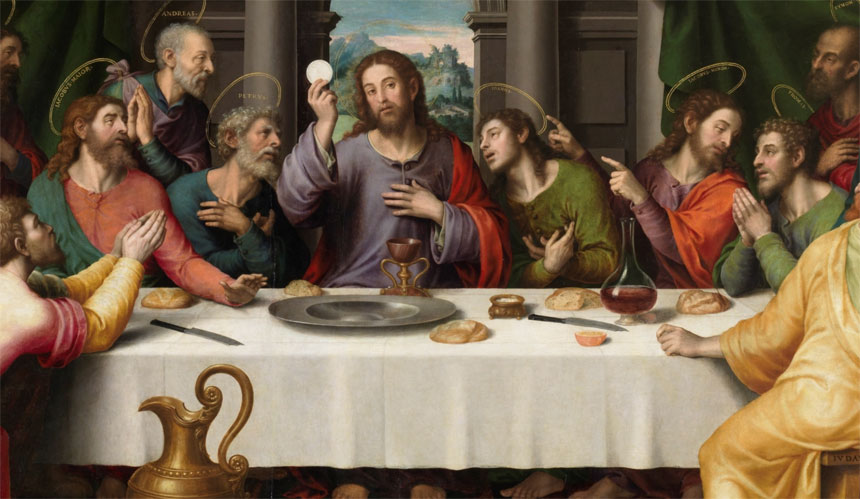
On this day, Jesus instituted Holy Orders and left us His greatest gift, the Holy Eucharist.
By reading the Gospels (cf. Matt 26:1 ff.; Mark 14:1 ff.; Luke 22:1 ff.; John 13:1 ff.), the faithful imitate Christ’s humility in washing the apostles’ feet at the Last Supper.
We meditate on the following Jesus’ actions in the Last Supper and after:
(1) The eating of the Easter lamb or the paschal meal;
(2) the washing of the disciples’ feet;
(3) the institution of the Most Holy Eucharist (the first Mass at which Jesus Christ, the eternal high priest, is the celebrant; the first Communion of the apostles; the first conferring of Holy Orders);
(4) the foretelling of Judas’ betrayal and Peter’s denials;
(5) the farewell discourse and priestly prayer of Jesus;
(6) the agony and capture of Jesus in the Garden of Olives.
There are two Masses on Holy Thursday—the Chrism Mass and the evening Mass of the Lord’s Supper.
In each diocese, there is a Chrism Mass, or Mass of the Holy Oils, usually celebrated in the morning at the cathedral. Catholics should make an effort to participate at the Mass at least once in their lives, to experience the communion of priests with their bishop. All the priests of the diocese are invited to concelebrate with the bishop. This Mass also celebrates the institution of the priesthood.
During the evening of Holy Thursday, the Mass of the Lord’s Supper is celebrated. It is celebrated in the evening because the Passover began at sundown. This is a very joyful Mass, as we recall the institution of the Holy Eucharist and the priesthood. The priests wear white vestments, the altar is filled with flowers, the Gloria is sung, and the bells are rung.
The Liturgy of the Mass recalls the Passover, the Last Supper, which includes the Washing of the Feet. The hymn Ubi Caritas, or Where Charity and Love Prevail, is usually sung at this time.
After the Communion Prayer, there is no final blessing. The Holy Eucharist is carried in procession through the church and then transferred into a place of repose, usually a side chapel. The hymn Pange Lingua is also usually sung at this time.
After the Mass, we recall the Agony in the Garden, and the arrest and imprisonment of Jesus. The altar is stripped bare, and crosses are removed or covered.
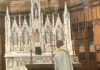
The Eucharist has been placed in an altar of repose, and most churches are open for silent adoration, to answer Christ’s invitation “Could you not, then, watch one hour with me?” (Matt 26:40)
When the Eucharist is processed to the altar of repose after the Mass of the Lord’s Supper, we should remain in quiet prayer and adoration, keeping Christ company.
The place of repose has traditionally been referred to as “a holy sepulcher.” The faithful go there to venerate Jesus, who was placed in a tomb following the crucifixion and in which he remained for some forty hours.
There is a tradition, particularly in big cities with many parishes, to try to visit seven churches and their altar of repose during this evening.
Ave Maria!
Come, Holy Spirit, come!
To Jesus through Mary!
Here I am, Lord; I come to do your will.
Please give us the grace to respond with joy!
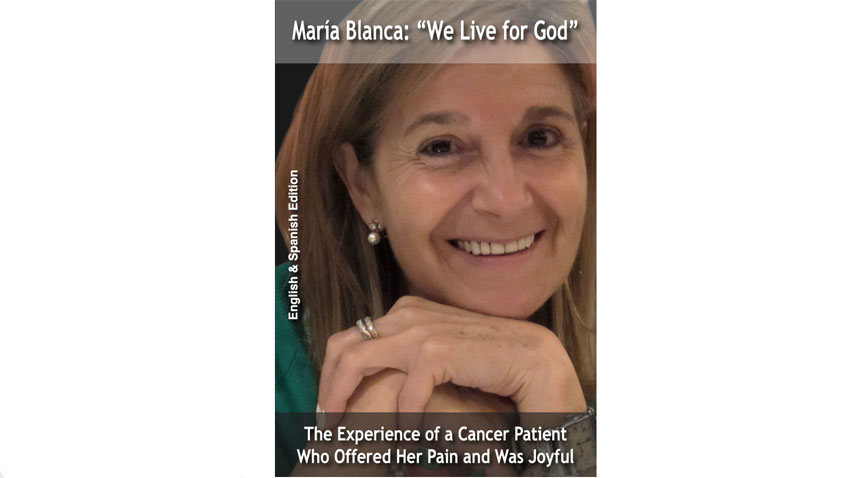
+ Mikel Amigot w/ María Blanca | RosaryNetwork.com, New York
Enhance your faith with the new Holy Rosary University app:
Apple iOS | New! Android Google Play